How to Start a Witchcraft Practice Without Feeling Overwhelmed
Quick answer: You don't need to learn everything before you start practising witchcraft — you need to cross three simple thresholds, in order: connection (build a relationship with the craft through small daily moments), practice (repeat one simple ritual consistently), and foundation (learn the craft's core building blocks once you already have a practice to hang them on). Confidence comes from doing the practice, not from knowing enough to feel ready.
You've watched the videos. Saved the posts. Bought the books. And you're still standing at the edge, wondering when you'll finally feel ready to begin.
Maybe you've started to suspect you're doing something wrong. Maybe you're telling yourself you just need to learn a little more first — one more book, one more course, one more system of correspondences committed to memory. Or maybe the sheer volume of what you're "supposed" to know has quietly talked you out of doing anything at all.
If that's where you are, I want to offer you something different from another list of things to learn. I want to show you why you're stuck, and give you three simple places to put your attention instead — in the right order, so you can actually begin.
Why does starting a witchcraft practice feel so overwhelming?
If you feel overwhelmed by witchcraft, it isn't because you're incapable of learning it. It's because the craft, as most people encounter it today, arrives as an avalanche.
You start looking into witchcraft with genuine curiosity, and within a week you've met herbs, crystals, candle magic, tarot, astrology, the elements, moon phases, divination, protection work, the Sabbats, tools, and correspondence charts for all of it. And the moment you understand one piece, you discover five more you apparently need to know before you're "allowed" to start.
So a quiet, reasonable-sounding thought creeps in: maybe I need to learn more before I actually practice.
This is the exact point where so many beginners get stuck. Instead of building a practice, they build a research project. They watch, they save, they buy, they list — and months later, they know quite a lot about witchcraft while having practised almost none of it.
I want to be direct with you about something I wish someone had told me at the start of my own path over three decades ago: you learn witchcraft by practising witchcraft. Not by knowing every herbal correspondence before you light a candle with intention. Not by having a beautifully composed altar before you connect with the elements. Not by memorising a body of knowledge before you cast your first spell. And certainly not by making your practice look like someone else's.
Your practice grows as you practice. It changes as you change. So if you've been thinking "I need to learn more before I can start," I'd like you to turn that thought around completely. The better question is simply: what is the simplest thing I can practice today?
The 3 traps that keep beginner witches stuck
Before I give you the way through, it's worth naming the traps, because you've likely fallen into at least one of them without realising it.
Trying to learn everything at once. Curiosity is a genuine gift on this path — but when every topic becomes equally urgent, nothing gets enough sustained attention to actually become a practice.
Waiting to feel confident. The belief that you'll start once you know enough, once you're sure you're doing it "correctly." But confidence doesn't precede practice. Practice produces confidence —by doing something, noticing what happens, learning from it, and doing it again. No shortcut skips this loop.
Believing you need the right tools first. I love magical tools. I won't pretend otherwise. But a tool doesn't create your connection to the craft — your relationship to the practice does. You can work with a single candle. With your own breath. With bare feet on the earth and nothing else. The magic was never in the size of your collection.
What are the 3 thresholds of starting a witchcraft practice?
Once you stop trying to swallow witchcraft whole, the path forward becomes much simpler. There are three thresholds to cross — and the order matters more than most beginners expect.
Threshold one: Connection
Before correspondences, before ritual structure, before any of it — build a relationship with the craft itself. This can be genuinely small. Light a candle. Take a slow breath. Step outside and feel the ground under your feet. Watch the moon. Notice the wind, or the water nearby. Then offer one simple, honest intention: I am here. I am paying attention. I am beginning.
That is a witchcraft practice. Full stop.
Here's what beginners often miss, because it's rarely said out loud: you're probably searching for the thing that will finally make you feel like a witch — an object, a tool, an outfit, the "correct" ritual. But becoming a witch was never about acquiring an object. It's about developing a relationship — with the natural world and with your own emerging practice. Don't be embarrassed by how simple your beginning is. It doesn't need to be impressive. It needs to be real.
Threshold two: Practice
This is where you stop being someone interested in witchcraft and become someone who actually does it. You don't need an hour a day. You don't need an elaborate ritual. You don't even need to practice everything you've learned. You need one simple thing, repeated.
For many people, that's lighting a candle each morning and naming an intention for the day. For others, it's five minutes outside grounding into the earth. Pulling a single tarot card and journaling on it. Tracking the moon's phase. A short protection practice before sleep.
The specific practice matters far less at this stage than the fact that you keep showing up to it — because every time you do, you're building self-trust. You're proving to yourself: I can practice. I can make a choice. I can listen to what I notice and learn from it. That's worth more than another page of memorised correspondences.
Eventually, this shifts the question you're asking. You stop constantly checking Am I doing this right? and start asking something far more useful: what is this practice actually doing for me? How is it helping me become more fully myself? That's a different, steadier place to practice from.
Threshold three: Foundation
Once you're connecting and practising consistently, a new question naturally arises: what do I actually need to learn?
This is where having a real foundation changes everything — because the alternative is spending years, as I did early on, jumping from one disconnected topic to the next with no sense of how any of it fits together. A foundation gives you energy work, the elements, how to build and hold a magical circle, intention-setting, protection, and a working (not memorised) relationship with correspondences — plus spellcraft, divination, and the Wheel of the Year, understood as parts of one coherent practice rather than a pile of unrelated facts.
You don't need this in your first week. Please don't try to force it there. What you want instead is knowledge that gives you context, so you're not perpetually starting from zero. This is also, not incidentally, what separates copying a practice from understanding it. Once you have a real foundation, you can explore new areas of the craft without losing your footing — you start knowing why you're doing something, not just imitating someone else's version of it. That's when a practice truly becomes yours.
How do I start a witchcraft practice today? (5 practical steps)
You don't have to wait to try any of this. Here's where to start:
- Choose one connection ritual and do it today. A candle, a breath, bare feet on the ground — pick one, and offer the simple intention: I am here, I am beginning. Notice that this already counts as practice.
- Pick a single repeatable practice, not five. Morning candle and intention, five minutes of grounding, or a daily tarot card with a short journal entry. The value is in repetition, not variety.
- Start a simple correspondence record, not a memorisation project. A notebook where you jot down what you learn as you encounter it, so you have a growing reference rather than a mental exam to pass.
- Notice when you're researching instead of practising. If a week goes by and you've watched or read a great deal but done very little, that's useful information — not a failure, just a sign to return to threshold two.
- Retire the question "am I doing this right?" for a week. Replace it with "what did I notice?" This alone tends to soften the perfectionism that keeps so many beginners frozen at the starting line.
A different way to see where you are
Here's the shift I want to leave you with. Overwhelm isn't a sign that witchcraft is too complicated for you, or that you're somehow behind. It's simply the natural result of trying to learn a lifelong practice as though it were a syllabus to finish before you're allowed to begin.
You don't need to cross all three thresholds today. You just need to start crossing them, in order — connection first, then practice, then foundation. That sequence alone will take you further than another hundred saved posts ever could.
If you recognise yourself in that beginning stage — called to the craft, uncertain where to actually start — my free masterclass, Start Your Witchcraft Practice Without Overwhelm, was built to help you find that starting point and move through it with clarity rather than guesswork. And when you're ready to build the kind of structured foundation that lets your practice keep growing for years rather than months, that's exactly what Mystery Witch School 101 is there for. You're welcome to begin exactly where you are.
Frequently asked questions
Do I need special tools to start practising witchcraft? No. You can begin with a single candle, your own breath, or bare feet on the earth. Tools can enrich a practice, but they don't create your connection to the craft — your relationship to the practice does.
How long does it take to feel confident as a witch? Confidence isn't a prerequisite for starting — it's a result of practising. It builds through repetition: doing something, noticing what happens, learning from it, and doing it again.
What should a beginner witch learn first? Nothing, before they practice. The recommended order is connection first (a simple daily ritual), then consistent practice, and only then a structured foundation covering energy work, the elements, spellcraft, and correspondences.
Is it normal to feel overwhelmed when starting witchcraft? Yes. It's an extremely common experience, caused by the sheer volume of information available rather than any personal shortcoming. The overwhelm usually eases once a beginner shifts from researching to practising.
How do I know if I'm "doing witchcraft right" as a beginner? There isn't a single correct way to practice. A more useful question than "am I doing this right?" is "what is this practice doing for me?" — which shifts the focus from performance to genuine relationship with the craft.
Magick is real, and you have the power to use it.
If you want to find out how to start your witchcraft practice, watch Start Your Witchcraft Practice Without Overwhelm
This FREE Class shows you exactly where to start learning and what you need to do to practice modern witchcraft easily and safely.
- Discover exactly what you need to learn to become a successful witch
- Uncover the exact steps you need to take to build your natural magickal gifts
- Overcome failure by knowing what you need to learn and when to learn it
- Confidently develop a practice that will connect you to your higher self, nature and the Goddess and God
- Become one of the few witches who maintain a consistent and fulfilling practice
Join me on Social Media




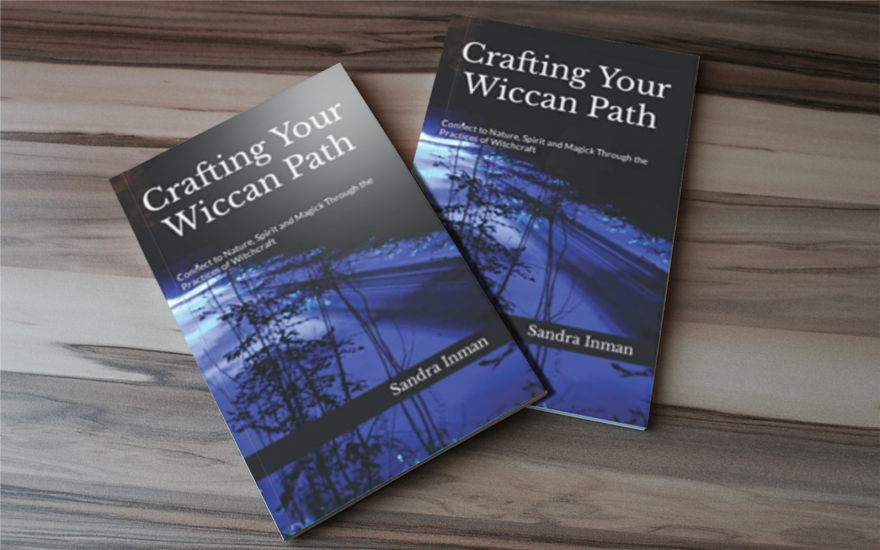
--- Crafting Your Wiccan Path ----
Connect to Nature, Spirit and Magick Through the Practises of Witchcraft
How to Start a Witchcraft Practice Without Feeling Overwhelmed
Why Embodiment Feels So Much Harder Than Shadow Work (And How Hekate Helps You Cross the Threshold)
Why You Don't Trust Your Own Magic (Even Though You Already Know More Than You Think)
Daily Witchcraft Practice: A Simple Rhythm That Sticks
Shadow Work Isn't Enough on Its Own: Why Understanding Your Wound Doesn't Heal It
Standing at the Crossroads: What Hekate Teaches Us About Feeling Stuck
Identity Shifting in Witchcraft: Why Your Magic Feels Capped (Even When Your Practice Is Solid)
When the Ritual Ends and Nothing Feels Different
The Witch Identity Gap: Why You Might Feel Like You're Still Waiting to Feel Like a "Real" Witch
The Shadow Work Trap: Why Understanding Yourself Isn’t Always Enough to Transform
The Witch Wound: Why You Keep Doubting Your Own Magic
7 Reasons Your Witchcraft Practice Feels Stuck (And How to Move Forward)
How to Build a Daily Devotional Practice with Hecate
Full Moon Ritual: How to Make the Magic Last
The Witch Wound: Why You Keep Pulling Away From Your Practice
Five Mistakes That Keep Beginner Witches Stuck (And What to Do Instead)
When Shadow Work Becomes a Place You Live Instead of a Place You Pass Through
The First Seven Days of Witchcraft: Beginning Without Overwhelm
When Witchcraft Feels Confusing and Disconnected — And How to Finally Find Your Path
The Wound That Lives in Your Body: How to Release the Fear of Being Seen and Reclaim Your Power
Hekate’s Call: 3 Signs You’re Being Pulled Into Shadow Work
Why Your Spells Aren’t Working (It’s Not What You Think)
How to Close the Identity Gap in Witchcraft and Truly Feel Like a Real Witch
The Witch Who Was Taught Not to Want
Standing at the Crossroads: A Gentle Introduction to Shadow Work with Hekate
The Shadow Box: A Witch’s Tool for Making Peace With Your Inner Work
The Wagon Hasn’t Gone Anywhere: A Letter to the Inconsistent Witch
When Hekate Reaches Out: How to Know If a Sign Is Real
Hecate Isn’t Here to Save You From the Dark — She’s Here to Light Your Way Through It
A Daily Sigil Practice That Actually Fits Into Your Life
3 Simple Imbolc Rituals I Use to Celebrate the Return of Light
The Essential Witchcraft Tools You Actually Need (And How to Get Them Cheap)
Answer Hecate's Call: Begin Your Transformational Journey
5 Morning Rituals for a Magical Start to Your Day
My 3 Witchy Goals for an Empowering 2026
Which Witch Are You? Discover Your Perfect Magical Path
Simple Solstice Rituals: Embrace the Magic of the Seasons
Simple Solstice Rituals: Embrace the Magic of the Seasons
How Your Identity Shapes Your Magic: Becoming the Witch Who Makes Spells Work
Unlock Your True Self with Hekate and Tarot
3 Ways Hekate Can Help You Step Into Your Authentic Self
Break Free: Simple Spell to Reclaim Your Power
Samhain Ritual: Healing Ancestral Trauma with Hecate
Step Into Your Power: How to Make a Confidence Spell Jar for Witches
Awaken Your Inner Witch: A Spell for Self-Empowerment
5 Secret Practices to Reignite Your Witch Power
Unblock Your Energy with This Transformative Tarot Spell
Releasing Ancestral Blocks with Hecate's Transformative Power
Harnessing the Power of Candle Magic: A Beginner's Guide
Simple Equinox Rituals for Balance and Renewal
How to Bind Toxic People: A Simple Spell for Protection
Embrace Transformation with Hekate's Crossroads Ritual
3 Simple Witch Habits to Reignite Your Magick and Purpose
Still Feel Unsafe? Try This Daily Protection Spell
Why Your Love Spells Are Failing and How to Fix Them
Ignite Your Inner Magic: Simple Imbolc and Lughnasadh Rituals with Brigid and Lugh
Witch Bottle for Self Transformation Guided by Hekate
Clear Negative Energy with Selenite: A Daily Ritual for Renewal
Craft Your Own Prosperity Spell Box with Otter Spirit
Ground Your Heart and Nurture Your Soul: A July Spell for Balance and Strength
5 Simple Spells I Use to Relieve Stress & Find Inner Calm
How to Charge a Love Bracelet Crystal for Attraction & Healing
Celebrate Solstice: Easy Rituals for Yule & Litha
3 Full Moon Spells to Manifest Magic and Transform Your Life
5 Simple Daily Witchcraft Rituals to Reconnect With Your Craft
Connecting with Intuition Using Tarot
Shadow Work for Witches Made Simple
Quick Full Moon Ritual for Manifestation (No Tools Needed)
Beginner Witch Mistakes: 3 Things I Wish I Knew Sooner
5 Simple Witchcraft Practices for Beginners
Unlock Your Power: Break Through Energy Blocks with Hecate’s Guidance
7 Deities to Empower Your Witchcraft in 2025
