Why You Don't Trust Your Own Magic (Even Though You Already Know More Than You Think)
Quick answer: Most witches who doubt their intuition don't actually lack knowledge — they lack self-trust, and those are two different problems with two different fixes. Self-trust isn't built by learning more; it's built through direct, repeated experience: noticing what happens when you act on your own intuition, recording it, and letting the evidence accumulate over time.
Why do I keep second-guessing my intuition, even though I know a lot about witchcraft?
You pull a card, don't like what you see, and pull another. Then another. You write a spell, and before you ever cast it, you're online checking whether someone else's version is "more correct." An intuitive hit arrives clean and clear — and within seconds you're already talking yourself out of it. Did I really feel that, or did I just want to feel it?
If this is familiar, you've probably told yourself the fix is more study — another book, a more advanced course, a teacher who can finally confirm you're doing it right.
But the gap usually isn't knowledge at all.
Many witches who've been practising for years — who know their correspondences, who can cast a circle without thinking, who could probably teach a beginner's class tomorrow — still flinch the moment their own intuition speaks. That's not a knowledge problem. That's a trust problem.
What is the difference between "not knowing" and "not trusting yourself"?
Not knowing something is simple: you look it up, you learn it, the gap closes.
Not trusting yourself is different: you can hold the knowledge and still discount your own read on a situation. You can be entirely capable and still wait for someone else to confirm what you already sensed.
This distinction matters because no amount of extra research resolves it. You can own every book on witchcraft published in the last decade and still feel like a fraud reaching for your own intuition.
Underneath that hesitation, there are usually a few unspoken agreements running quietly in the background — beliefs so old you've stopped noticing them as beliefs at all. Once you can name them, you can start to loosen their grip.
What are the hidden beliefs that stop witches from trusting their intuition?
There are three that show up again and again.
1. "If I trust myself and I'm wrong, it means I'm not good enough."
If being wrong has ever brought criticism, embarrassment, or being made to feel foolish, your nervous system learns a shortcut: never fully commit to anything you might have to defend. Endless clarifying tarot cards, constant online cross-checking, always deferring to "someone more experienced" — these can look like diligence, but underneath they're often just the fear of being wrong dressed up as thoroughness.
Here's the part worth sitting with: you are going to get things wrong. You'll misread a card, try a spell that doesn't land, change your mind about a practice you were sure of last month. That's not failure — that's the actual shape of learning. The mistake was never the problem. The belief that a mistake means you've lost the right to trust yourself is the problem.
2. "If I stand fully in my power, I won't be safe."
This is where the idea of a "witch wound" can be genuinely useful — not as a story about inherited trauma you're doomed to relive, but as a description of something a lot of people learned early: don't be too loud, too confident, too different. Don't make yourself the centre of attention. Don't talk about things other people won't understand.
Those old instructions don't disappear when you take up a magical practice. They follow you in. So you keep your rituals small. You whisper your intentions instead of stating them. You don't tell anyone what actually happened during a working. You keep waiting for permission.
It's worth being precise here: privacy is not the same as hiding. You can be a deeply private witch — never posting about your practice, never mentioning it at work — and still trust yourself completely. The question isn't whether you're visible to others. It's whether you're visible to yourself.
3. "If I trust my magic, I have to take responsibility for my life."
This is the one that tends to sting the most, because it's true. Genuine self-trust means you eventually have to choose. You can't keep asking for one more tarot reading, one more sign, one more confirmation from someone else. At some point, the deciding is yours.
That's uncomfortable, because not trusting yourself has a strange kind of safety to it. If you never fully commit, you get to stay at the crossroads — always researching, always preparing, never quite arriving. Recognising that you do have a choice also means recognising that you have agency. And agency is heavier to carry than helplessness, even though it's the thing that actually moves your practice forward.
Does learning more witchcraft actually build self-trust?
Not on its own. Self-trust isn't built by accumulating knowledge — it's built through direct experience, the kind you can't get from a book, a video, or someone else's ritual script.
Every time you follow an intuitive hit and something comes of it, you gather a small piece of evidence. Every time you adapt a spell because it felt right for the situation, rather than because a book told you to, that's evidence too. Every mistake you survive, learn from, and move past becomes part of the same growing pile.
The pattern is: knowledge becomes experience, experience becomes confidence, confidence becomes self-trust. There isn't a shortcut around the middle two steps.
How can I actually build self-trust in my witchcraft practice? (5 practices)
1. Practise before you consume more. Before opening another book or watching another teaching, ask what you could actually try with what you already know. You likely know more than you're giving yourself credit for — and putting it into action, even imperfectly, teaches you something a tenth book won't.
2. Trade "am I doing this right?" for "what am I noticing?" This is the single most useful shift available to you. You don't need a two-hour ritual or a perfectly stocked altar. Five minutes — a candle, a card pull, a journal entry — is enough. Sit with it. Notice what arises. Resist the urge to immediately explain why your experience doesn't count.
3. Keep a record of what actually happens. Write down your rituals, your intuitive impressions, your dreams, what you tried and what came of it. Over months, this becomes a body of personal evidence that nobody else can hand you and nobody else can take away.
4. Stop treating difference as evidence of error. Witchcraft holds many traditions and many valid approaches, and teachers often disagree with each other. Someone practising differently from you isn't proof you're doing it wrong. The goal was never to become a flawless copy of another witch — it's to become a discerning practitioner of your own path.
5. Question with curiosity, not dismissal. Self-trust doesn't mean abandoning discernment — you'll always need to tell the difference between intuition, fear, and wishful thinking. The shift is in how you question yourself. "I'm probably wrong" becomes "let's investigate this." "Someone else knows better" becomes "what can I learn from them while still listening to myself?"
What does it mean to move from "performing" witchcraft to "living" it?
At some point, your practice stops being something you borrow and starts being something you inhabit. You may begin exactly the way most of us do — following someone else's ritual, using traditional correspondences, working inside an established system. That's completely fine, and often necessary at the start.
But eventually the questions change from am I doing this correctly to why am I doing this, and what does it actually mean to me. That shift — from performing witchcraft to living it — is where self-trust actually lives. You can't download someone else's intuition or borrow their years of practice. You can only build your own, one noticed moment at a time.
Frequently asked questions
Is it normal for witches to doubt their intuition, even after years of practice? Yes. Doubting intuition is extremely common among experienced practitioners and usually reflects a self-trust issue rather than a lack of knowledge or skill.
Do I need to know every correspondence, herb, or tradition to trust my magic? No. Self-trust comes from direct experience with your own practice, not from memorising every possible reference or system.
Is pulling multiple tarot cards for clarification always a bad sign? Not always — but consistently pulling extra cards because you don't like or don't trust the first answer can be a sign of overriding your own intuition rather than genuinely seeking clarity.
Can I have a private witchcraft practice and still be "in my power"? Yes. Privacy and self-trust are not opposites. You can keep your practice entirely private and still fully trust your own intuition and choices.
What is the fastest way to start building self-trust as a witch? Start small: pick one short daily practice, notice what happens without judging it, and keep a simple written record. Consistency in noticing builds evidence faster than consuming more information.
If you've been circling the question of whether you're "doing enough" or "ready enough" to begin trusting yourself, my free masterclass, Start Your Witchcraft Practice Without Overwhelm, walks you through exactly what you need to begin — without trying to learn everything at once. And if you're ready for a structured, paced path that builds this kind of self-trust deliberately over time, that's exactly what Mystery Witch School 101 is built to do — one month, one layer of practice, at a time.
Use the above tips to create a morning practice to connect you to nature, spirit and magick.
If you're ready to take that next step toward living a truly magickal and spiritual life and want to learn Wicca in a group of like-minded people with your own spiritual mentor then check out the Mystery Witch School 101 Training Academy.

Share on Social Media




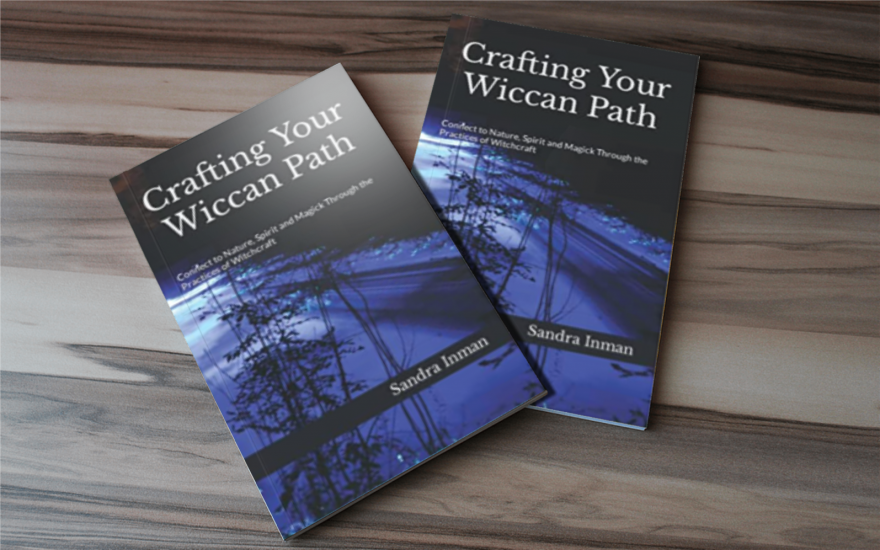
--- Crafting Your Wiccan Path ----
Connect to Nature, Spirit and Magick Through the Practises of Witchcraft
Wiccan Themed Tshirts, Mugs, Face Masks, Tote Bags, Hoodies, Tank tops and more at...
Mystical Witch Store

Daily Witchcraft Practice: A Simple Rhythm That Sticks
Shadow Work Isn't Enough on Its Own: Why Understanding Your Wound Doesn't Heal It
Standing at the Crossroads: What Hekate Teaches Us About Feeling Stuck
Identity Shifting in Witchcraft: Why Your Magic Feels Capped (Even When Your Practice Is Solid)
When the Ritual Ends and Nothing Feels Different
The Witch Identity Gap: Why You Might Feel Like You're Still Waiting to Feel Like a "Real" Witch
The Shadow Work Trap: Why Understanding Yourself Isn’t Always Enough to Transform
The Witch Wound: Why You Keep Doubting Your Own Magic
7 Reasons Your Witchcraft Practice Feels Stuck (And How to Move Forward)
How to Build a Daily Devotional Practice with Hecate
Full Moon Ritual: How to Make the Magic Last
The Witch Wound: Why You Keep Pulling Away From Your Practice
Five Mistakes That Keep Beginner Witches Stuck (And What to Do Instead)
When Shadow Work Becomes a Place You Live Instead of a Place You Pass Through
The First Seven Days of Witchcraft: Beginning Without Overwhelm
When Witchcraft Feels Confusing and Disconnected — And How to Finally Find Your Path
The Wound That Lives in Your Body: How to Release the Fear of Being Seen and Reclaim Your Power
Hekate’s Call: 3 Signs You’re Being Pulled Into Shadow Work
Why Your Spells Aren’t Working (It’s Not What You Think)
How to Close the Identity Gap in Witchcraft and Truly Feel Like a Real Witch
The Witch Who Was Taught Not to Want
Standing at the Crossroads: A Gentle Introduction to Shadow Work with Hekate
The Shadow Box: A Witch’s Tool for Making Peace With Your Inner Work
The Wagon Hasn’t Gone Anywhere: A Letter to the Inconsistent Witch
When Hekate Reaches Out: How to Know If a Sign Is Real
Hecate Isn’t Here to Save You From the Dark — She’s Here to Light Your Way Through It
A Daily Sigil Practice That Actually Fits Into Your Life
3 Simple Imbolc Rituals I Use to Celebrate the Return of Light
The Essential Witchcraft Tools You Actually Need (And How to Get Them Cheap)
Answer Hecate's Call: Begin Your Transformational Journey
5 Morning Rituals for a Magical Start to Your Day
My 3 Witchy Goals for an Empowering 2026
Which Witch Are You? Discover Your Perfect Magical Path
Simple Solstice Rituals: Embrace the Magic of the Seasons
Simple Solstice Rituals: Embrace the Magic of the Seasons
How Your Identity Shapes Your Magic: Becoming the Witch Who Makes Spells Work
Unlock Your True Self with Hekate and Tarot
3 Ways Hekate Can Help You Step Into Your Authentic Self
Break Free: Simple Spell to Reclaim Your Power
Samhain Ritual: Healing Ancestral Trauma with Hecate
Step Into Your Power: How to Make a Confidence Spell Jar for Witches
Awaken Your Inner Witch: A Spell for Self-Empowerment
5 Secret Practices to Reignite Your Witch Power
Unblock Your Energy with This Transformative Tarot Spell
Releasing Ancestral Blocks with Hecate's Transformative Power
Harnessing the Power of Candle Magic: A Beginner's Guide
Simple Equinox Rituals for Balance and Renewal
How to Bind Toxic People: A Simple Spell for Protection
Embrace Transformation with Hekate's Crossroads Ritual
3 Simple Witch Habits to Reignite Your Magick and Purpose
Still Feel Unsafe? Try This Daily Protection Spell
Why Your Love Spells Are Failing and How to Fix Them
Ignite Your Inner Magic: Simple Imbolc and Lughnasadh Rituals with Brigid and Lugh
Witch Bottle for Self Transformation Guided by Hekate
Clear Negative Energy with Selenite: A Daily Ritual for Renewal
Craft Your Own Prosperity Spell Box with Otter Spirit
Ground Your Heart and Nurture Your Soul: A July Spell for Balance and Strength
5 Simple Spells I Use to Relieve Stress & Find Inner Calm
How to Charge a Love Bracelet Crystal for Attraction & Healing
Celebrate Solstice: Easy Rituals for Yule & Litha
3 Full Moon Spells to Manifest Magic and Transform Your Life
5 Simple Daily Witchcraft Rituals to Reconnect With Your Craft
Connecting with Intuition Using Tarot
Shadow Work for Witches Made Simple
Quick Full Moon Ritual for Manifestation (No Tools Needed)
Beginner Witch Mistakes: 3 Things I Wish I Knew Sooner
5 Simple Witchcraft Practices for Beginners
Unlock Your Power: Break Through Energy Blocks with Hecate’s Guidance
7 Deities to Empower Your Witchcraft in 2025
