Why Do I Still Repeat Patterns After Shadow Work? A Hecate Approach to Real Change
Quick answer: You can repeat patterns after shadow work because understanding a pattern is not the same as changing it. Insight shows you where the pattern came from, but change usually needs three more things: noticing when your past is predicting your future, recognising what the old pattern still gives you, and taking small, real actions before you feel ready. Hecate, the goddess of crossroads, offers a powerful way to work with these choices.
You understand your patterns. You’ve done the shadow work. You can explain exactly why you react the way you do, and where it began.
And yet you still hold back. You still doubt yourself. You still make the same choices, even though you know better.
If that’s you, it doesn’t mean you’ve failed at shadow work. Understanding who you were is not the same as becoming who you want to be.
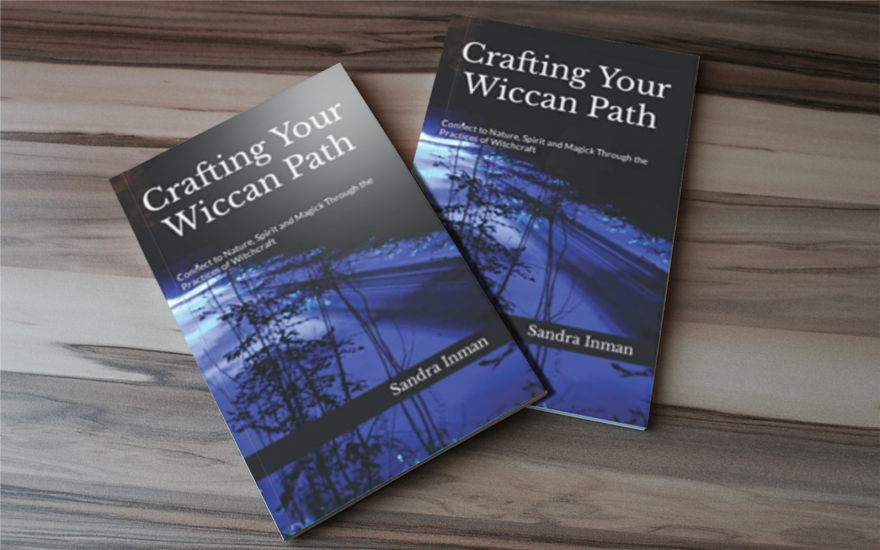
I’m Sandra, author of Crafting Your Wiccan Path. I’ve walked the witchcraft path for over 35 years, and I teach witchcraft, shadow work and working with Hecate. In my experience, people can spend years understanding their past without changing how they respond in the present moment. This article explains why, and what you can do about it.
In this article:
- Why insight alone doesn’t change patterns
- How your past becomes a prediction
- Why old identities are hard to release
- What waiting to “feel ready” really does
- What Hecate’s crossroads, torches and keys teach about change
- Frequently asked questions
What Is Shadow Work?
Shadow work is the practice of looking honestly at the parts of yourself you’ve hidden, avoided or never fully understood, including the fears, beliefs and patterns that quietly shape your choices. In witchcraft and spiritual practice, it’s often used to understand your reactions, heal old wounds and build a more honest relationship with yourself.
Shadow work is valuable. But insight is only the first stage.
Why Does Understanding a Pattern Not Change It?
Knowing why a pattern exists doesn’t automatically loosen its grip. Underneath, three things are usually happening:
- Your past has become a prediction about your future.
- An old identity is protecting your sense of belonging.
- You’re waiting to feel ready before you act.
Let’s look at each one.
How Does Your Past Become a Prediction?
I spent years working on my confidence. I grew up in an environment where voicing an opinion could bring harsh judgement, criticism, sometimes even yelling. I learned that staying quiet was the simplest way to avoid conflict.
Through shadow work, I recognised the pattern. I could explain where it came from and why it developed. But if someone questioned a decision I’d made, I slipped straight back into my old self. I’d explain my choice over and over, soften what I said, or start wondering whether I’d done something wrong. Later I’d think, why am I still doing this after all the work I’ve done?
What I eventually saw was that I wasn’t only responding to the situation in front of me. I was responding to what I had learned to expect from situations like it. My past had become a prediction about my future.
Have you ever braced for criticism before anyone said a word? Assumed someone would reject your decision before they’d heard it? You may be living in anticipation of an old experience rather than meeting the one actually happening.
A simple practice for when the past is predicting your future
The next time you notice yourself preparing for the worst, pause and ask:
- What is actually happening here?
- What am I expecting to happen because of what happened before?
You aren’t pretending your past didn’t happen or dismissing what it taught you. You’re simply noticing that an old experience doesn’t automatically tell you what comes next. You may find a small gap opens between the trigger and your reaction. That gap is where choice lives.
Why Is It So Hard to Let Go of an Old Identity?
Old identities are hard to release because they often helped you belong. This one is difficult to see, because it involves something we all need: connection.
Picture someone who has always been the dependable one in their family. They help, they listen, they accommodate. When there’s a problem, they’re expected to step in. Over time, being that person becomes part of who they think they are: the helpful one, the strong one, the one who doesn’t make a fuss.
Then they begin to notice the cost. They’re exhausted. Their own needs get pushed aside. Resentment creeps in because they’re always giving. Through shadow work they understand why they took on this role. But when a chance comes to do something differently, they hesitate. They imagine the other person’s disappointment. They wonder if they’ll be seen as selfish. They worry people will say, “You’ve changed.”
And of course they have. That’s the point. But underneath sits a deeper fear: what happens to my relationships if I’m no longer the version of me everyone is used to?
Changing an old identity is more complicated than recognising a pattern, because you may be letting go of something that helped you maintain your place in a relationship. Even when a behaviour no longer serves you, risking that place can feel deeply uncomfortable.
Ask what the pattern gives you, not only what it costs
Try asking yourself:
- Did this pattern help me avoid conflict?
- Did it help me feel needed?
- Did it give me approval or security?
You don’t need to condemn the person who developed that pattern. They needed it, and they were doing the best they could with what they understood then. Now you can ask whether you still need to hold that role in order to have meaningful relationships. You can care about people without being responsible for keeping everyone happy. You can be generous without always saying yes. You can change without asking everyone’s permission.
Then start small. Notice one situation where you automatically put someone else’s comfort ahead of your own needs, and ask what a different response might look like. It doesn’t need to be a dramatic announcement. Sometimes the first step is simply one different choice.
Why Waiting to Feel Ready Keeps You Stuck
You know what you want to change. You want to speak up, trust your judgement, share your work, set boundaries, or stop making yourself smaller. But you keep waiting until you feel ready: more confident, less afraid, further along in your healing, or surrounded by the right circumstances.
Preparation matters. But waiting to feel ready can quietly become a way of postponing the very experience that would help you grow.
Imagine someone who wants to share their creativity, perhaps as a performer or visual artist. They’ve studied for years and have something real to offer. But every time they consider putting their work out, they find another reason to wait. They need to learn more. They need to refine the presentation. The same happens for people in healing work. The preparation may be genuine, but the goalpost keeps moving, because underneath is a fear of being judged, of getting it wrong, of finding that people don’t respond the way they hoped. If they wait for that fear to disappear, they may never discover what they’re capable of.
Choose one manageable step that is a genuine change
You don’t have to force yourself into something you’re not ready for, or pretend to be fearless. Instead:
- To trust your judgement: make one decision without asking three people to approve it.
- To set a boundary: practise saying no in a situation where the stakes are manageable.
- To share your knowledge: publish one piece of work rather than waiting for it to be perfect.
The point isn’t to prove you can do everything. It’s to give yourself an experience of responding differently. Afterwards, reflect:
- What did I discover?
- What was harder than I expected?
- What was easier?
- What would I do differently next time?
This is how you build a different relationship with yourself. Not by waiting for a new identity to arrive, but by making choices that give it somewhere to take root.
Who Is Hecate, and What Does Her Crossroads Teach About Change?
Hecate (also spelled Hekate) is a goddess of witchcraft associated with crossroads, torches and keys. Her crossroads is often seen as a place of choice. It isn’t only about discovering your path. It’s also about deciding whether you’re ready to walk it.
You arrive at a crossroads carrying everything you’ve brought with you. You don’t have to deny that history, but you can choose which road to take next.
For me, Hecate isn’t someone who takes over your life and makes your difficult decisions for you. I see her as a mentor, and her symbols offer a powerful way to reflect on your own choices.
What do Hecate’s torches represent in shadow work?
The torches illuminate what you may not have been willing to see clearly. Perhaps you keep expecting rejection. Perhaps your identity depends on being needed. Perhaps you’ve been waiting for confidence to arrive before allowing yourself to move forward.
What do Hecate’s keys represent in shadow work?
The keys suggest that something you believed you couldn’t change may be a pattern you’ve been maintaining because it once served a purpose. That doesn’t mean change is easy, or that every obstacle is self-created. It means you can begin to examine where you have agency.
Illumination shows you what’s there. But recognition is not the same as choosing what to do next, and the choice always remains yours.
Questions to bring to Hecate
Rather than approaching Hecate only with can you make this problem go away?, you might ask:
- What am I not seeing clearly about this situation that would help me if I saw it?
- What am I still holding on to, and why?
- What choice is available to me that I haven’t been willing to consider?
Then give yourself time to reflect. Journal, meditate, or sit with the symbolism of the crossroads and the different paths. You don’t need to force an answer or read every experience as a sign. Reflect, then decide what you want to act on. Your spiritual practice can support your growth, but you remain an active participant in it.
And when you’re caught between who you were and who you’re becoming, carry this question with you: How would the person I want to become respond to this? Then do that.
A Different Way to See Shadow Work
You can understand your patterns and still experience them. You can know where your fears came from and still feel them. You can recognise that an old identity no longer fits and still feel uncertain about what comes next. None of that means you’ve failed.
It may mean the next stage of your work asks for more than understanding. It asks you to look at how your past shapes your present choices, what you fear losing when you change, how you respond when an old pattern returns, and whether you’re waiting to feel ready before you allow yourself to move. And it asks you to practise making different choices, even when the new way feels unfamiliar.
You don’t have to reject who you were. You’re not betraying yourself. You can honour the person you had to be, understand why they developed those patterns, and recognise that you now have the opportunity to choose differently.
This is also what I believe magic is really for. Spells that change the world around you have their place. But the deeper magic is the change within us. It’s central to high magic, ceremonial magic and what’s called the Great Work. When your inner world shifts, your perception shifts, and your experience of the outer world often changes with it.
Perhaps this is the crossroads you’re standing at now. It isn’t a demand to be perfect or to have everything figured out. It’s an opportunity to see where you are, consider where you want to go, and take responsibility for the next step.
Frequently Asked Questions
Why do I still repeat patterns after doing shadow work?
Because insight and change are different skills. Shadow work helps you understand where a pattern came from, but change requires you to notice when your past is predicting your future, recognise what the pattern still gives you, and practise responding differently in real situations.
Does repeating old patterns mean shadow work isn’t working?
No. Understanding your patterns is a genuine and necessary stage. Continuing to feel them usually means the next stage of your work is about action and practice, not more analysis.
Why is it so hard to change an old identity?
An old identity often helped you belong, avoid conflict or feel needed. Letting it go can feel like risking your place in your relationships, even when the identity no longer serves you.
How do I stop waiting until I feel ready?
Choose one manageable step that represents a genuine change, such as making one decision without seeking approval, or practising a boundary where the stakes are low. Then reflect on what you learned and adjust.
What does Hecate’s crossroads symbolise?
In witchcraft, Hecate’s crossroads is a place of choice. It symbolises arriving with everything you carry and deciding which road to take next.
How can Hecate help with shadow work?
Many practitioners see Hecate as a mentor and guide. Her torches can symbolise illuminating what you haven’t wanted to see, and her keys can symbolise discovering where you have agency. The choice of how to respond remains yours.
Explore Further
If you feel drawn to Hecate and want a more structured way to bring your spiritual practice into your personal growth, my course A Journey with Hecate was created for exactly this. Rather than collecting more information about her, you work with Hecate as a mentor and guide through learning, rituals, meditations and shadow work, so that what you discover begins to shape how you live and the choices you make.
You don’t have to wait until you feel like a completely different person to begin. You can start where you are.
Blessed be,
Sandra
Magick is real, and you have the power to use it.
If you want to find out how to start your witchcraft practice watch Start Your Witchcraft Practice Without Overwhelm
This FREE Class shows you exactly where to start learning and what you need to do to practice modern witchcraft easily and safely.
- Discover exactly what you need to learn to become a successful witch
- Uncover the exact steps you need to take to build your natural magickal gifts
- Overcome failure by knowing what you need to learn and when to learn it
- Confidently develop a practice that will connect you to your higher self, nature and the Goddess and God
- Become one of the few witches who maintain a consistent and fulfilling practice
Join me on Social Media




--- Crafting Your Wiccan Path ----
Connect to Nature, Spirit and Magick Through the Practises of Witchcraft
How to Celebrate Samhain Simply: One Candle, One Name, One Meaningful Moment
Why Shadow Work Isn't Working (And What to Do About It)
How to Start a Witchcraft Practice Without Feeling Overwhelmed
Why Embodiment Feels So Much Harder Than Shadow Work (And How Hekate Helps You Cross the Threshold)
Why You Don't Trust Your Own Magic (Even Though You Already Know More Than You Think)
Daily Witchcraft Practice: A Simple Rhythm That Sticks
Shadow Work Isn't Enough on Its Own: Why Understanding Your Wound Doesn't Heal It
Standing at the Crossroads: What Hekate Teaches Us About Feeling Stuck
Identity Shifting in Witchcraft: Why Your Magic Feels Capped (Even When Your Practice Is Solid)
When the Ritual Ends and Nothing Feels Different
The Witch Identity Gap: Why You Might Feel Like You're Still Waiting to Feel Like a "Real" Witch
The Shadow Work Trap: Why Understanding Yourself Isn’t Always Enough to Transform
The Witch Wound: Why You Keep Doubting Your Own Magic
7 Reasons Your Witchcraft Practice Feels Stuck (And How to Move Forward)
How to Build a Daily Devotional Practice with Hecate
Full Moon Ritual: How to Make the Magic Last
The Witch Wound: Why You Keep Pulling Away From Your Practice
Five Mistakes That Keep Beginner Witches Stuck (And What to Do Instead)
When Shadow Work Becomes a Place You Live Instead of a Place You Pass Through
The First Seven Days of Witchcraft: Beginning Without Overwhelm
When Witchcraft Feels Confusing and Disconnected — And How to Finally Find Your Path
The Wound That Lives in Your Body: How to Release the Fear of Being Seen and Reclaim Your Power
Hekate’s Call: 3 Signs You’re Being Pulled Into Shadow Work
Why Your Spells Aren’t Working (It’s Not What You Think)
How to Close the Identity Gap in Witchcraft and Truly Feel Like a Real Witch
The Witch Who Was Taught Not to Want
Standing at the Crossroads: A Gentle Introduction to Shadow Work with Hekate
The Shadow Box: A Witch’s Tool for Making Peace With Your Inner Work
The Wagon Hasn’t Gone Anywhere: A Letter to the Inconsistent Witch
When Hekate Reaches Out: How to Know If a Sign Is Real
Hecate Isn’t Here to Save You From the Dark — She’s Here to Light Your Way Through It
A Daily Sigil Practice That Actually Fits Into Your Life
3 Simple Imbolc Rituals I Use to Celebrate the Return of Light
The Essential Witchcraft Tools You Actually Need (And How to Get Them Cheap)
Answer Hecate's Call: Begin Your Transformational Journey
5 Morning Rituals for a Magical Start to Your Day
My 3 Witchy Goals for an Empowering 2026
Which Witch Are You? Discover Your Perfect Magical Path
Simple Solstice Rituals: Embrace the Magic of the Seasons
Simple Solstice Rituals: Embrace the Magic of the Seasons
How Your Identity Shapes Your Magic: Becoming the Witch Who Makes Spells Work
Unlock Your True Self with Hekate and Tarot
3 Ways Hekate Can Help You Step Into Your Authentic Self
Break Free: Simple Spell to Reclaim Your Power
Samhain Ritual: Healing Ancestral Trauma with Hecate
Step Into Your Power: How to Make a Confidence Spell Jar for Witches
Awaken Your Inner Witch: A Spell for Self-Empowerment
5 Secret Practices to Reignite Your Witch Power
Unblock Your Energy with This Transformative Tarot Spell
Releasing Ancestral Blocks with Hecate's Transformative Power
Harnessing the Power of Candle Magic: A Beginner's Guide
Simple Equinox Rituals for Balance and Renewal
How to Bind Toxic People: A Simple Spell for Protection
Embrace Transformation with Hekate's Crossroads Ritual
3 Simple Witch Habits to Reignite Your Magick and Purpose
Still Feel Unsafe? Try This Daily Protection Spell
Why Your Love Spells Are Failing and How to Fix Them
Ignite Your Inner Magic: Simple Imbolc and Lughnasadh Rituals with Brigid and Lugh
Witch Bottle for Self Transformation Guided by Hekate
Clear Negative Energy with Selenite: A Daily Ritual for Renewal
Craft Your Own Prosperity Spell Box with Otter Spirit
Ground Your Heart and Nurture Your Soul: A July Spell for Balance and Strength
5 Simple Spells I Use to Relieve Stress & Find Inner Calm
How to Charge a Love Bracelet Crystal for Attraction & Healing
Celebrate Solstice: Easy Rituals for Yule & Litha
3 Full Moon Spells to Manifest Magic and Transform Your Life
5 Simple Daily Witchcraft Rituals to Reconnect With Your Craft
Connecting with Intuition Using Tarot
Shadow Work for Witches Made Simple
Quick Full Moon Ritual for Manifestation (No Tools Needed)
Beginner Witch Mistakes: 3 Things I Wish I Knew Sooner
5 Simple Witchcraft Practices for Beginners
Unlock Your Power: Break Through Energy Blocks with Hecate’s Guidance
7 Deities to Empower Your Witchcraft in 2025
